Smart Home Technology: Transforming Modern Interior Design
Imagine adjusting your lights, closing your curtains and setting the perfect room temperature without moving from your sofa. Smart home technology makes these everyday conveniences possible. When planned thoughtfully, it can make a home more comfortable and functional without taking away from its appearance.
How Smart Technology Is Changing the Way We Live
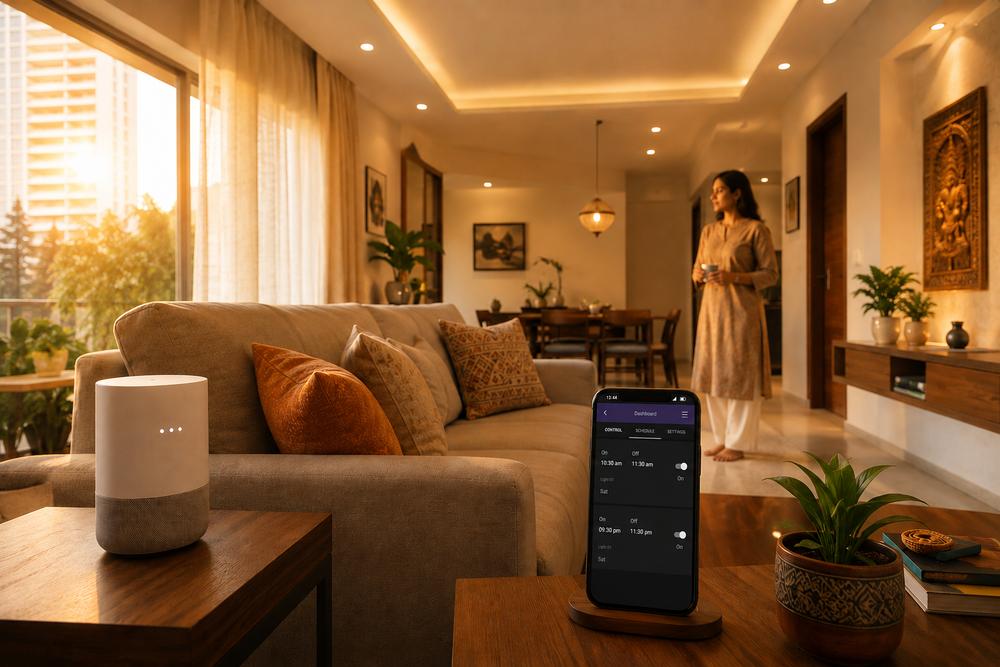
A beautiful home is no longer just about attractive furniture, colours and finishes. Homeowners also want spaces that respond to their daily routines, help them manage everyday tasks and offer greater convenience. Smart lighting, motorised curtains, connected security systems and intelligent climate controls are becoming part of modern residential design. These features can be controlled through compatible mobile apps, voice assistants, sensors or scheduled routines. The important part is how these systems fit into the home. Visible wires, poorly positioned controls and incompatible devices can make even expensive technology frustrating to use. Good interior planning brings the technology and the design together from the beginning.The design principle:
Technology should make everyday living easier while allowing
the furniture, lighting, materials and overall character of
the home to remain the focus.
1. Smart Lighting for a Better Living Experience
Lighting can completely change the way a room feels. Smart lighting gives homeowners more control over brightness, colour temperature and timing through compatible apps, voice controls or automated scenes. For example, you could set up soft, warm lighting for a quiet evening in the living room, brighter lighting for working at your desk and a comfortable setting for family dinners. Selected lights can also switch on or off according to a schedule.How to Integrate Smart Lighting into Your Interiors
- Use ambient lighting to illuminate the room evenly.
- Add task lighting for reading, cooking and working.
- Use accent lighting to highlight artwork or feature walls.
- Choose compatible dimmers, bulbs and lighting circuits.
- Keep everyday controls simple and easy to access.
Interior Times tip:
Plan the lighting layout before finalising false ceilings,
electrical points and furniture positions.
Explore our
interior design and lighting styling services
to see how lighting can complement the overall design of your home.
2. Automated Curtains and Intelligent Window Treatments
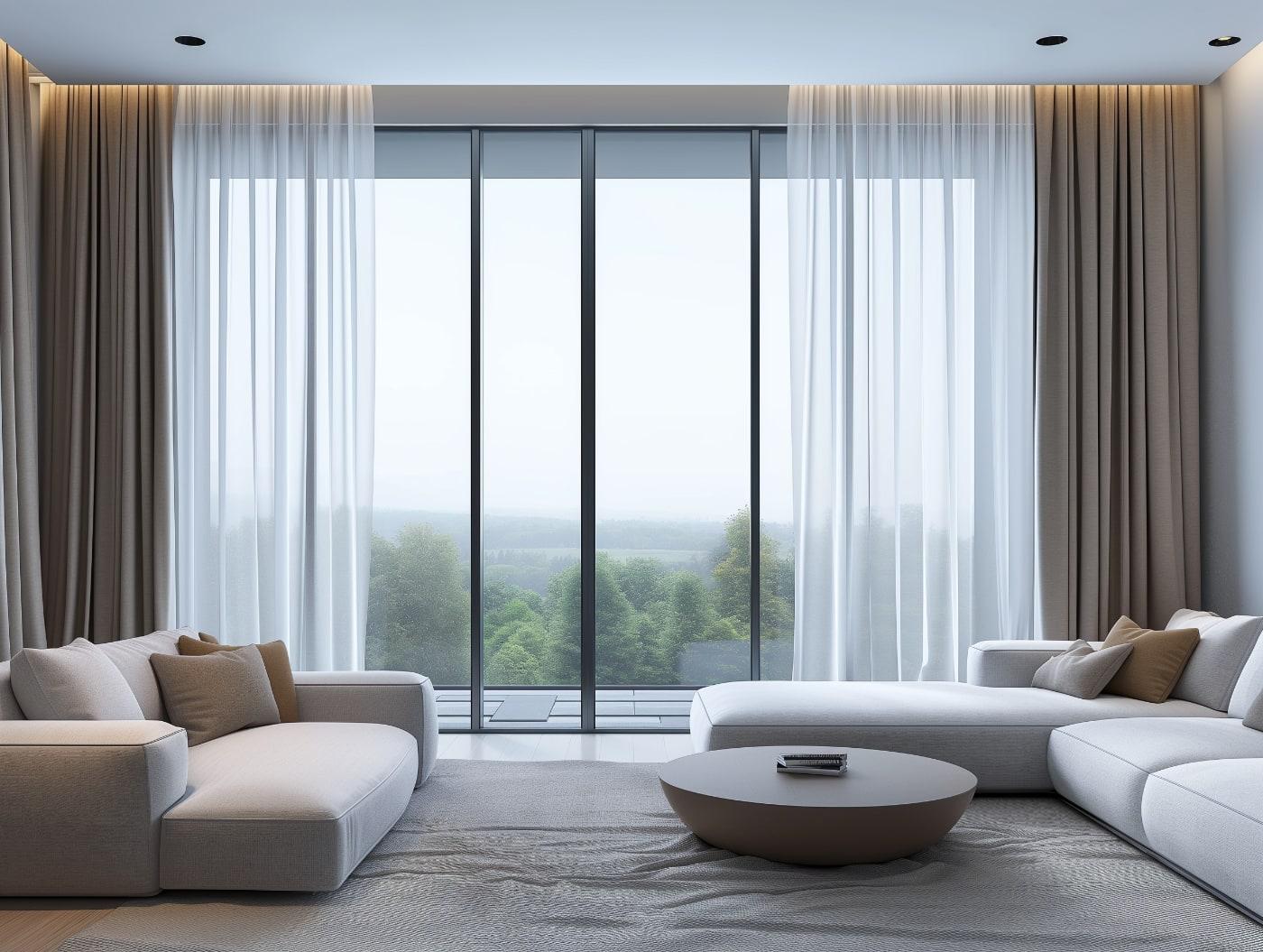
Motorised curtains and blinds bring convenience to everyday routines while creating a clean, contemporary look. Depending on the system, curtains can open in the morning, close at a scheduled time or respond to compatible automation settings. They can be particularly useful in homes with large windows, high ceilings or hard-to-reach curtain tracks. Automated window treatments can also help manage privacy and daylight, although their effect on indoor temperature depends on the fabric, glazing, sun exposure and other conditions.What Should You Plan Before Installation?
- Measure the window and decide the curtain track position.
- Allow space for curtain pockets or concealed tracks where needed.
- Confirm power requirements and motor compatibility.
- Choose fabric according to privacy, daylight and maintenance needs.
- Ensure the curtains can be accessed for cleaning and repairs.
3. Smart Climate Control for Everyday Comfort
Smart thermostats and compatible air-conditioning controls can help manage indoor temperatures according to your routine. Some systems allow scheduled settings or adjustments based on occupancy and other available sensors. In Mumbai and Navi Mumbai, where warm and humid weather can make indoor comfort a priority, climate planning should be considered alongside ventilation, air-conditioning and window treatments.Design Considerations for Climate Control
- Check whether the existing AC equipment supports smart controls.
- Position controls where they are convenient to use.
- Keep air-conditioning units accessible for servicing.
- Coordinate vents and equipment with furniture and ceiling layouts.
- Consider ventilation and humidity management where appropriate.
4. Integrate Home Security Without Compromising Design
Smart locks, video doorbells, motion sensors and connected cameras can make it easier to monitor selected areas of a home. When their positions are planned properly, these devices can fit into the interior without creating visual clutter. Concealed cable routes, discreet sensor placement and carefully positioned control panels help maintain a neat finish. At the same time, security equipment must remain accessible and reliable.Keep These Points in Mind
- Check compatibility with doors, locks and existing wiring.
- Review privacy settings and who can access camera feeds.
- Choose products with dependable support and security updates.
- Plan installation so devices remain accessible for maintenance.
- Retain appropriate manual access and essential safety measures.
Important:
Do not rely entirely on internet-dependent features for essential
access or safety. Understand what still works during a network,
power or platform outage before selecting a system.
5. Voice Control and Centralised Home Automation
Voice assistants and centralised control systems can bring compatible devices together, allowing homeowners to operate selected lights, curtains, entertainment systems and climate controls from one interface. The real benefit comes from creating useful routines rather than adding more controls to manage.Movie Mode
Dim compatible lights, close motorised curtains and prepare the entertainment area with a single routine.Good Night
Turn off selected lights, adjust supported climate controls and activate compatible security features.Work Mode
Set up suitable lighting and adjust supported devices for a more comfortable home-working environment.6. Smart Home Ideas for Compact Apartments
Smart home technology can be useful in smaller apartments, where every part of the layout needs to work hard. The aim is not to automate everything, but to make the available space more comfortable and easier to manage.- Layered lighting: Create different lighting settings without overcrowding the ceiling with unnecessary fixtures.
- Integrated charging: Include convenient charging points and device storage in desks, side tables or other suitable furniture.
- Concealed cable routes: Plan wiring for televisions, workstations and entertainment systems before furniture installation.
- Simple controls: Position switches and compatible control panels where they are easy to reach.
- Multifunctional furniture: Combine practical storage, work surfaces and integrated technology where appropriate.
7. Combine Custom Furniture with Smart Technology
Custom furniture offers a practical way to integrate technology into the design instead of adding it at the last minute. A media unit can conceal cables, a workstation can include convenient charging points, and selected cabinets can incorporate integrated lighting.Furniture Ideas for a Connected Home
- TV units with planned cable access and equipment storage.
- Work desks with accessible power and charging points.
- Wardrobes with suitable integrated lighting.
- Storage units that allow equipment to be reached when needed.
- Furniture layouts that keep sensors and controls unobstructed.
8. Why Smart Home Planning Should Start Before Execution
One of the easiest ways to avoid unnecessary changes is to discuss smart home requirements before electrical work, ceiling installation and custom furniture manufacturing begin. Early planning allows your interior designer, electrician and automation specialist to coordinate their work instead of solving installation problems after the finishes are complete.Smart Home Planning Checklist
- Electrical wiring and reliable network connectivity.
- Switch positions and control-panel locations.
- Lighting circuits and dimmer compatibility.
- Power requirements for motorised curtains.
- Air-conditioning controls and maintenance access.
- Locations for smart locks, sensors and security devices.
- Manual controls and options for future upgrades.
Planning tip:
Prepare a coordinated layout showing furniture, electrical points,
lighting, network connections and automation devices before
finalising the execution drawings.
Our
residential interior design services
can help coordinate the design, visualisation, materials and
project planning for your home.
9. Balance Smart Technology with Timeless Interior Design
Technology changes quickly, but a home’s basic design should continue to feel comfortable and attractive for years. Rather than building the entire interior around a particular gadget, create a timeless foundation that can accommodate future updates. Focus on a few long-lasting decisions:- Choose durable materials that suit your lifestyle.
- Keep furniture practical and proportionate to the room.
- Plan flexible lighting and electrical layouts.
- Allow access to wiring and equipment for future maintenance.
- Keep everyday controls intuitive for all household members.
- Prioritise useful automation over features that add complexity.