Interior Design Cost in Navi Mumbai: A Complete Guide
Planning your home interiors but unsure how much to budget? Understand the factors that affect interior design costs, from kitchens and wardrobes to materials, furniture and execution, before making your decisions.
One of the first questions homeowners ask before starting an interior project is, “How much will it cost?”
The honest answer is that there is no single price that works for every home. Two apartments with the same configuration can have very different budgets depending on their layouts, material choices, furniture requirements and the amount of work involved.
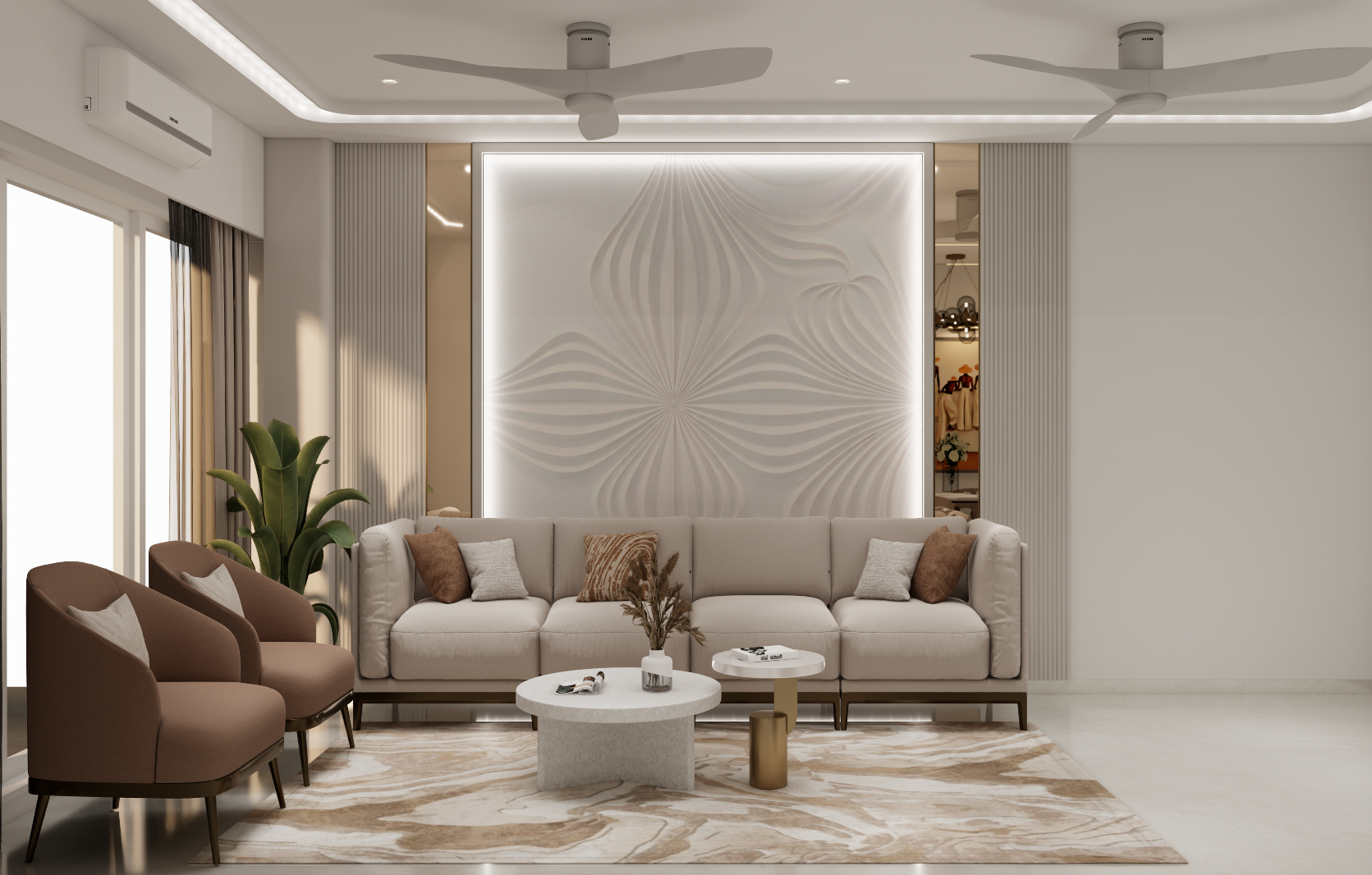
For example, one homeowner may need only a modular kitchen, wardrobes and essential lighting. Another may want custom furniture, decorative ceilings, feature walls and premium finishes throughout the home.
Both projects may involve the same number of rooms, but their final costs can be quite different.
The best way to plan your interior budget is to start with your requirements, not an advertised price. Once you know what needs to be designed, supplied and installed, you can compare quotations more confidently.
What Determines Interior Design Cost in Navi Mumbai?
The final cost depends on several connected decisions. Understanding these factors early helps you decide where to spend more and where a simpler solution may work just as well.
1. Property Size and Layout
A larger home may need more flooring, furniture, lighting, storage, painting and electrical work. However, the size of the property alone does not determine the budget.
A compact apartment with extensive custom carpentry may require more specialised work than a larger home with a simple layout and fewer built-in units.
2. Design Complexity
A clean, minimal interior can often be planned with fewer decorative elements. A more elaborate design may include custom furniture, detailed wall treatments, decorative ceilings, premium lighting and bespoke finishes.
More complex designs may also require additional drawings, coordination, skilled labour and time on site.
3. Materials and Finishes
Material selection has a direct impact on both the appearance and cost of an interior. Even when two cabinets look similar from the outside, their internal construction, surface finish, hardware and durability may differ.
Common options include:
Laminate Finishes
Available in a wide range of colours and textures. The overall cost depends on the laminate grade, substrate, edge finishing and installation.
Veneer and Natural Finishes
Useful when a natural wood appearance is important. Selection, polishing, surface preparation and maintenance requirements affect the final cost.
Acrylic and PU Finishes
Often chosen for a smooth, contemporary appearance. The specification, preparation, application and finish quality influence the overall expense.
Stone and Engineered Surfaces
Used for selected countertops, wall features and other surfaces. Thickness, material choice, fabrication and installation all matter.
Rather than choosing a material only because it looks premium, consider where it will be used, how frequently it will be touched, how much moisture it may encounter and how easy it will be to maintain.
4. Custom Furniture
Custom furniture is designed around the available space and the way you intend to use it. It can be particularly useful when standard furniture does not fit the layout or provide enough storage.
Common custom furniture requirements include:
- Wardrobes and dressing units
- Kitchen cabinets and storage systems
- Beds, headboards and bedside units
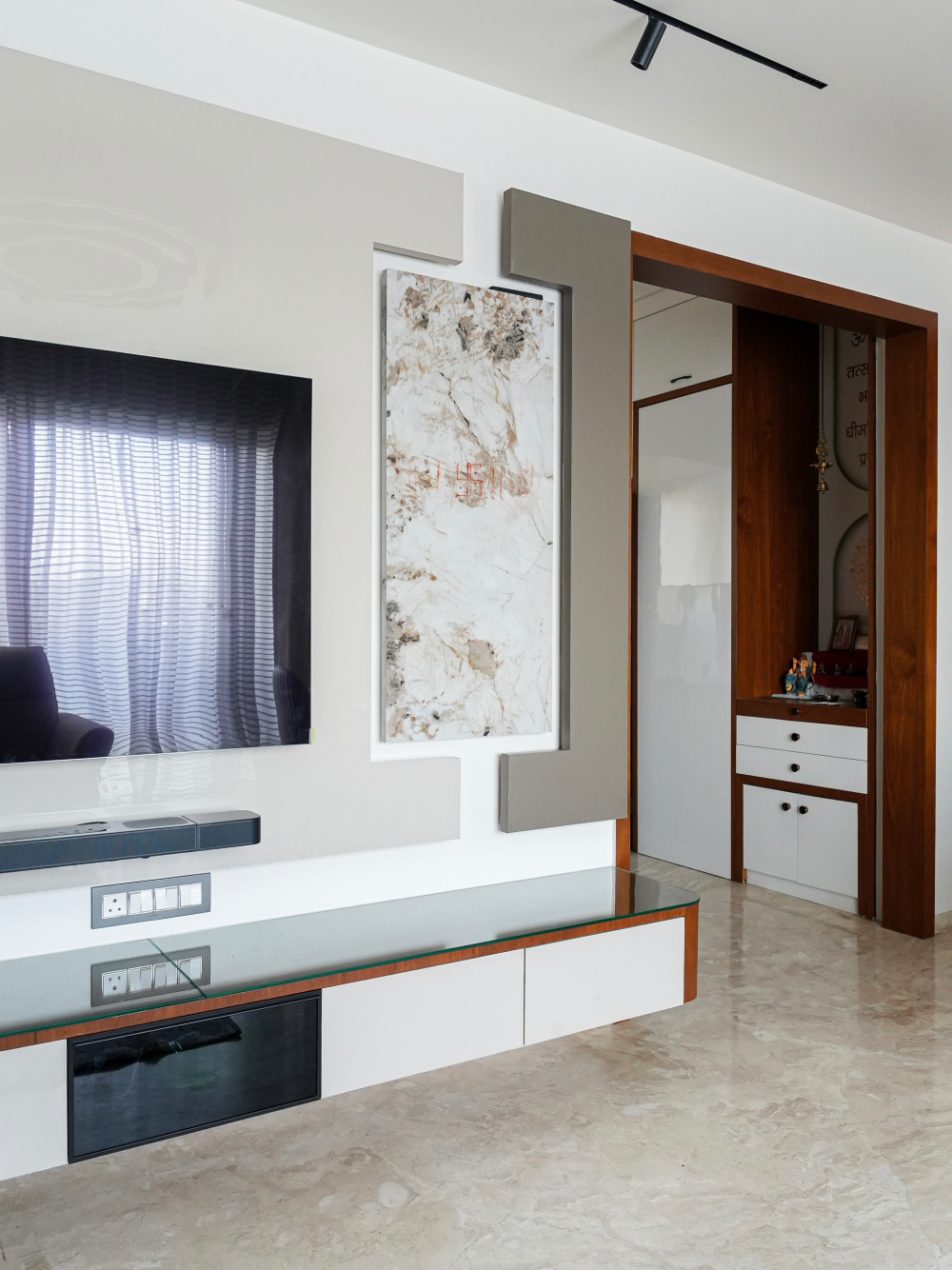
- TV units and living room storage
- Study tables and workstations
- Dining units, shelving and display cabinets
The price depends on dimensions, internal construction, materials, hardware, finish and installation.
Explore Interior Times’ interior design services to discuss furniture and space planning requirements.
How Does Home Size Affect Your Interior Budget?
Home configuration is a useful starting point, but it does not tell the complete story. The amount of furniture, finish quality and execution work can vary considerably between homes of the same size.
1BHK Apartment
Start by identifying the essentials, such as kitchen storage, a wardrobe, a comfortable living area and practical lighting. Multifunctional furniture can help make the most of limited space.
2BHK Apartment
Plan the kitchen, wardrobes for both bedrooms, living room furniture, lighting and any additional storage. Prioritise the rooms and features that matter most to your household.
3BHK Apartment
Consider how each bedroom will be used, whether a separate study is needed and how much storage is required. Completing every room at the same level of customisation is not always necessary.
Villas and Larger Homes
Larger properties may involve more extensive furniture, staircase detailing, multiple lighting zones, additional bathrooms and more complex coordination between trades.
Budgeting tip: Prepare a room-by-room requirement list before requesting a quotation. It helps designers understand the actual scope instead of estimating from the number of bedrooms alone.
Kitchen and Wardrobe Costs: What Should You Consider?
Kitchens and wardrobes are often important parts of a home interior budget because they combine cabinetry, hardware, storage planning, finishes and installation.
Kitchen Design
Before finalising your kitchen budget, consider the following:
- Kitchen layout, dimensions and available space
- Base cabinets and overhead storage
- Internal organisers and drawer systems
- Cabinet construction and surface finish
- Hinges, channels and other hardware
- Countertop material and backsplash
- Sink, plumbing, electrical points and appliances
- Installation and finishing work
A practical kitchen is not necessarily the one with the most accessories. The right storage arrangement should make everyday cooking easier and suit the way your household uses the space.
Wardrobe Design
Wardrobe costs depend on the number of units, dimensions, internal storage, shutter style, finish and hardware. Sliding shutters, hinged shutters and specialised accessories may have different cost implications.
Think about how you store clothes, footwear, luggage and daily essentials. A well-planned interior layout can sometimes provide more value than adding unnecessary accessories.
How to Break Down Your Interior Design Budget
One of the easiest ways to manage an interior project is to separate the quotation into clear categories. This makes it easier to see where the money is going and identify areas where adjustments may be possible.
| Budget Category | What to Check |
|---|---|
| Design | Space planning, drawings, concepts and 3D visualisation. |
| Civil Work | Demolition, flooring, partitions and other agreed civil changes. |
| Carpentry | Kitchen cabinets, wardrobes, built-in furniture and storage. |
| Electrical | Wiring, switches, power points and lighting installation. |
| Ceiling and Painting | False ceiling, detailing, surface preparation and paint finishes. |
| Materials | Laminates, veneer, stone, hardware and other specified finishes. |
| Loose Furniture | Sofas, dining tables, beds, chairs and movable furniture. |
| Décor and Lighting | Decorative lights, rugs, artwork, curtains and accessories. |
| Execution | Labour, procurement, supervision, coordination and handover, as applicable. |
Ask your designer to identify which categories are included in the quotation and which are billed separately. Also clarify transportation, installation, taxes and any other applicable charges.
How to Control Your Interior Design Budget
A well-planned interior does not require you to spend equally on every room. The aim is to make thoughtful choices that balance appearance, daily use and long-term maintenance.
Set Priorities Before You Begin
Decide which areas are most important to your household. For one family, the kitchen and master bedroom may be the main priorities. Another may need a practical study area or more storage.
Essential Priorities
- Kitchen functionality
- Required wardrobes and storage
- Comfortable everyday furniture
- Safe electrical work and lighting
Flexible Upgrades
- Decorative accessories
- Optional feature walls
- Additional display units
- Non-essential smart-home features
Finalise the Design Early
Changing a design after materials have been purchased or work has started can lead to additional labour, material wastage and delays. Try to finalise layouts, finishes, hardware and furniture dimensions before execution begins.
Choose Materials for the Way You Live
A premium finish is not automatically the best choice for every surface. Consider moisture, frequency of use, cleaning requirements, durability and the amount of maintenance you are comfortable with.
Keep a Contingency Reserve
Existing site conditions or unforeseen requirements may lead to additional expenses. Keep a separate reserve based on your project’s complexity and discuss how unexpected work will be approved and billed.
Should You Choose the Cheapest Interior Design Quote?
Not necessarily. Two quotations may look similar at first but include very different materials, services and responsibilities.
A lower quotation may exclude or limit:
- Specific material grades or hardware brands
- Civil changes and electrical work
- Lighting fixtures or installation
- Loose furniture and décor
- Design revisions and detailed drawings
- Site supervision and project coordination
- Delivery, installation or finishing work
Before you sign, compare quotations line by line. Check material specifications, quantities, exclusions, payment milestones, expected timelines and the process for approving additional work.
The right quotation is one that clearly explains what you are paying for and gives you confidence in the proposed scope of work.
Interior Design Budget Checklist
Before requesting a quotation, prepare a simple list of everything you want included. Use this checklist to organise your discussion with the designer.
- Property size and floor plan
- Number of rooms and intended use
- Kitchen layout, cabinets and accessories
- Wardrobes and internal storage
- Beds, sofas, dining furniture and workstations
- Lighting, electrical points and switches
- False ceiling and painting requirements
- Flooring, wall finishes and civil changes
- Décor, curtains, rugs and accessories
- Appliances and plumbing requirements
- Automation and optional upgrades
- Design drawings and visualisation requirements
- Execution, supervision and handover
- Expected completion date and contingency reserve
How Interior Times Can Help With Budget Planning
Every interior project starts with a different set of needs. Understanding your property, preferred style, storage requirements and priorities helps establish a practical scope before work begins.
Interior Times offers interior design services that include space planning, custom furniture and other solutions described on its services page. Discuss the services you need and confirm the inclusions before finalising your project.
Explore Interior Times services or contact the team to discuss your home interior requirements.
Final Thoughts
A successful interior project is not about spending the maximum amount. It is about allocating your budget to the things that matter most, while making sensible decisions about materials, furniture and execution.
Start with a clear requirement list, compare detailed quotations and avoid making rushed changes during execution. Good planning can help you balance aesthetics, functionality and long-term value.
Frequently Asked Questions
What is the average interior design cost in Navi Mumbai?
The cost varies according to property size, materials, furniture, design complexity, civil work and execution requirements. A customised quotation based on your actual requirements is more useful than a generic rate.
Does interior design cost include furniture?
It depends on the agreed project scope. Built-in furniture, such as kitchens and wardrobes, may be quoted separately from loose furniture such as sofas, beds and dining tables. Check the itemised quotation.
Is modular furniture cheaper than custom furniture?
Not always. The cost depends on dimensions, materials, hardware, finish, storage requirements and installation. Compare specifications before deciding which option suits your home.
How can I reduce interior design costs?
Prioritise essential areas, finalise the design early, choose materials based on their intended use and avoid unnecessary changes once execution has started.
Should I budget separately for civil and electrical work?
Ask whether civil and electrical work is included in your quotation. If it is excluded or provisional, obtain a separate estimate so you can understand the full project budget.
Planning Your Home Interiors in Navi Mumbai?
Tell Interior Times about your property, preferred design style, essential requirements and budget. Start with a clear scope and explore the options that work for your home.
Discuss Your Project Call +91 981 9990 600