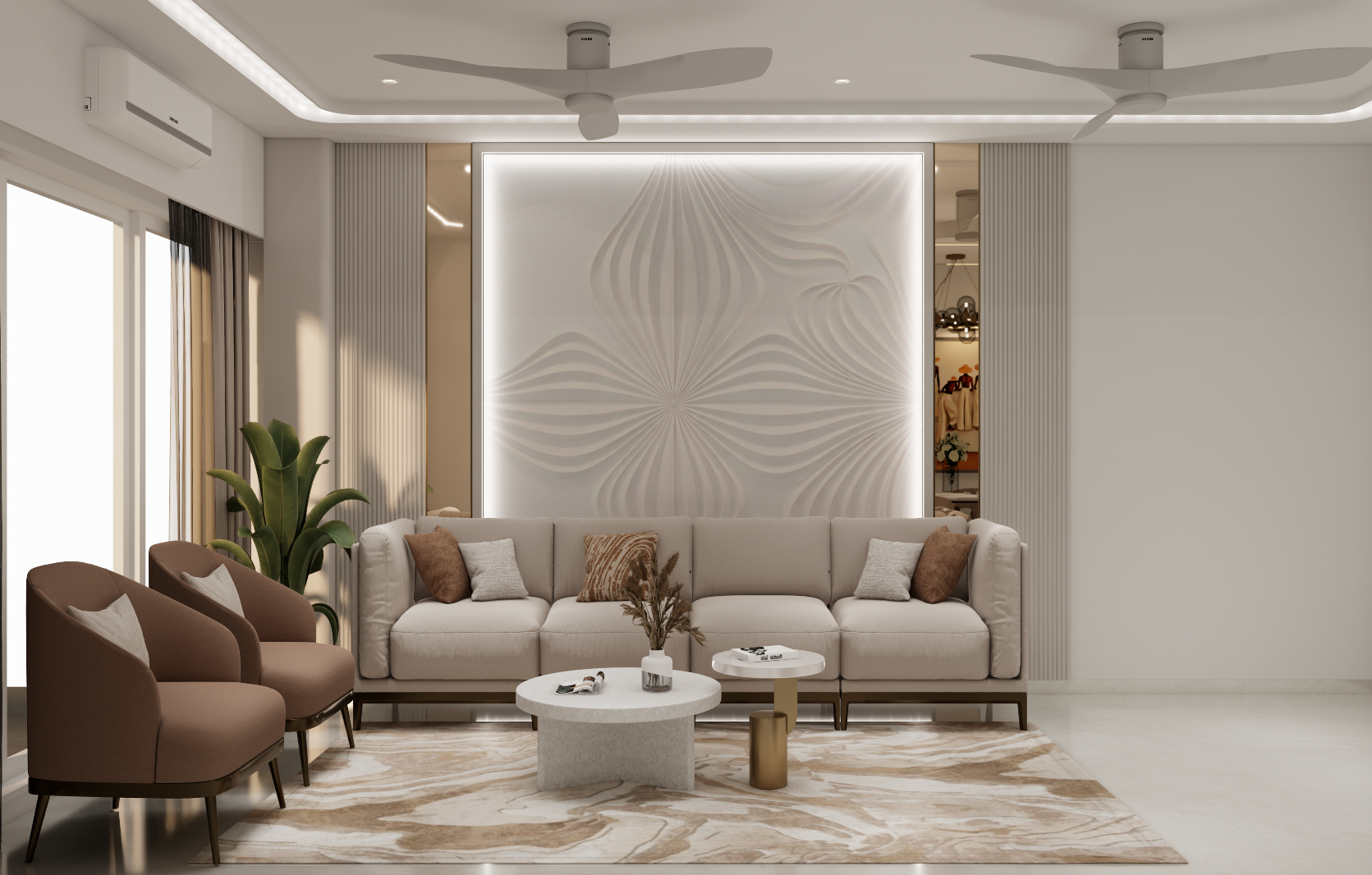
Minimalist Interior Design: Timeless Ideas for Modern Homes
A beautiful home doesn’t need lots of furniture or decorative accessories. Sometimes, the right colours, practical storage, comfortable furniture and a little breathing space make the biggest difference. Minimalist interior design brings these elements together to create a home that feels calm, organised and welcoming.
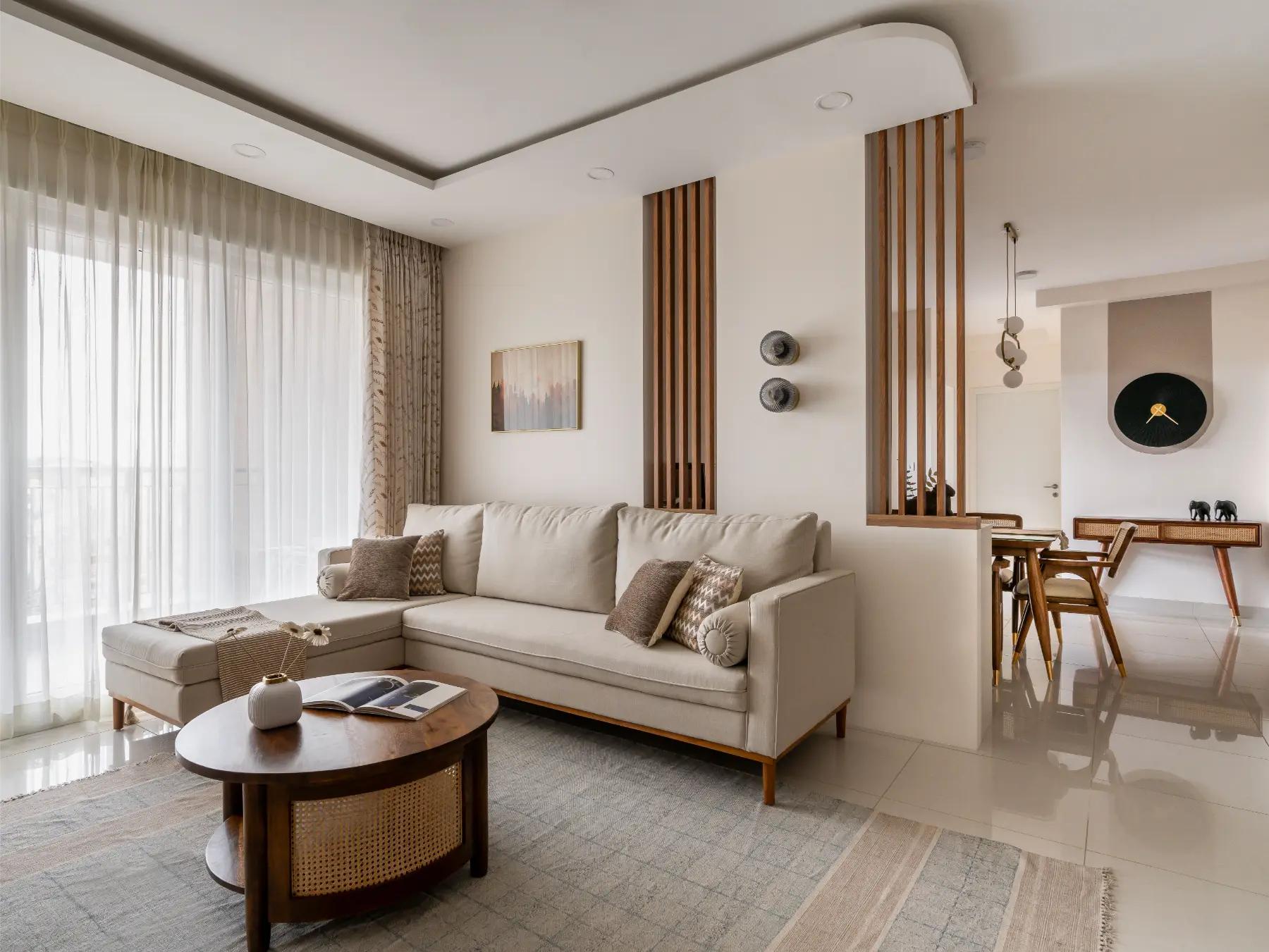
Why Minimalist Interior Design Works for Modern Homes
Modern homes need to do more than look attractive. They need to support family routines, provide enough storage and make everyday activities comfortable. This is where minimalist interior design can make a real difference.
By choosing furniture carefully, keeping layouts practical and using colours that work well together, you can create a home that feels open without losing its warmth or personality. This approach is particularly useful in Indian apartments, where rooms often serve several purposes.
At Interior Times, we believe good design should reflect how you live. Minimalism is not about removing everything you love. It is about giving each element a purpose and making the space work better for you.
The key idea:
Keep what is useful or meaningful, plan the space carefully
and avoid adding furniture or decoration simply to fill an
empty corner.
1. What Is Minimalist Interior Design?
Minimalist interior design focuses on simplicity, functionality and thoughtful use of space. Rather than filling every wall and surface, it brings together a few well-chosen elements that complement one another.
Common features of minimalist interiors include:
- Furniture with clean lines and balanced proportions.
- A coordinated colour palette with subtle accents.
- Practical storage that keeps everyday items organised.
- Natural light and carefully planned artificial lighting.
- A considered mix of materials and textures.
- Clear pathways that make movement comfortable.
Minimalism does not mean your home must look empty. Family photographs, indoor plants, artwork and treasured objects can all have a place. The difference is that each item is selected and positioned with care.
2. Choose a Balanced and Neutral Colour Palette
Colour sets the mood of a room. For a minimalist interior, shades such as white, beige, cream, warm grey and earthy tones provide a flexible foundation. They work with many furniture styles and can help the overall design feel coordinated.
In Indian homes, warm neutrals paired with natural wood often create a welcoming look without making the space feel plain or overly formal.
Colour Combinations Worth Considering
White and Natural Wood
A fresh, timeless combination that suits living rooms, bedrooms and open-plan spaces.
Beige and Warm Grey
A subtle palette for contemporary apartments that feels refined without being too stark.
Cream and Muted Green
A soft, nature-inspired combination that pairs well with indoor plants and wood finishes.
Neutrals and Charcoal
A little contrast adds definition to a room without overwhelming the overall design.
You can introduce brighter colours through cushions, rugs, artwork or a single accent chair. These smaller touches are easier to update than changing the entire colour scheme.
3. Create a Clutter-Free Living Room
The living room is often where family members relax, entertain guests and spend time together. A minimalist living room should feel comfortable and inviting, not like a showroom where nobody wants to sit.
Start by measuring the room and choosing furniture that fits. An oversized sofa or bulky TV unit can make an apartment feel crowded, even when the walls and furniture are all neutral.
Simple Ways to Improve the Layout
- Choose a sofa that fits the room without blocking movement.
- Use a streamlined TV unit with concealed cable management.
- Select a coffee table that leaves enough walking space.
- Use closed storage for remotes, games and everyday items.
- Add a rug to define the seating area where appropriate.
- Keep decorative accessories limited to a few meaningful pieces.
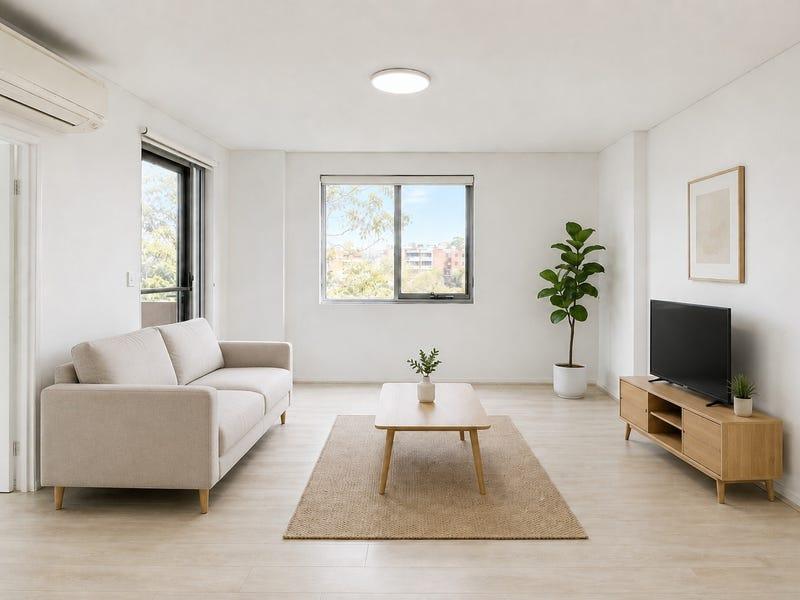
For apartment-specific ideas, read our guide to 2BHK interior design ideas for modern Navi Mumbai homes .
4. Make Smart Storage a Priority
Even a beautifully designed room can feel messy when everyday belongings do not have a proper place. Storage is one of the foundations of minimalist design because it helps keep surfaces clear while making the home easier to maintain.
Storage Ideas for Different Areas
- Bedrooms: Wardrobes with organised shelves, drawers and hanging space.
- Living room: TV units and cabinets with concealed compartments.
- Kitchen: Drawers, cabinet organisers and storage planned around cookware.
- Entryway: A compact cabinet for footwear, bags and daily essentials.
- Bedroom furniture: Beds with integrated storage for suitable seasonal items.
Floor-to-ceiling cabinets and built-in storage can make good use of available wall space, provided they suit the room’s proportions and do not make it feel heavy.
Design tip:
Plan storage around the belongings you actually own. Adding
cupboards everywhere can make a room feel crowded instead of
organised.
Explore our interior design services for help with space planning, custom furniture and practical interior solutions.
5. Use Natural Light to Make Rooms Feel Open
Natural light can make a minimalist home feel brighter and more welcoming. Whenever possible, avoid blocking windows with bulky furniture and choose window treatments that balance privacy with daylight.
Consider these simple ideas:
- Use light-filtering curtains where they suit your privacy needs.
- Position mirrors thoughtfully to reflect available daylight.
- Choose wall finishes that work well with the natural light.
- Avoid placing tall furniture directly in front of windows.
- Keep window areas clean and visually simple.
Don’t Overlook Artificial Lighting
Natural light changes throughout the day, so artificial lighting needs equal attention. Instead of relying on one ceiling fixture, combine different lighting types to suit the room.
- Ambient lighting: General illumination for everyday use.
- Task lighting: Focused light for desks, kitchen counters and reading.
- Accent lighting: Light that highlights selected artwork or design details.
A well-planned lighting scheme improves usability while keeping the interior calm and uncluttered.
6. Select Furniture That Combines Style and Function
Minimalist furniture should be comfortable, practical and proportionate to the room. Every piece should contribute something useful, whether that is seating, storage, flexibility or visual balance.
This is particularly important in compact Indian apartments, where one room may need to support several activities. Multifunctional furniture can help you make better use of the available space.
Furniture Choices for Modern Homes
- A storage bed for suitable bedroom layouts.
- An extendable dining table for occasional guests.
- A workstation integrated into a wardrobe or wall unit.
- A compact side table that provides useful storage.
- A sofa or seating arrangement suited to the room dimensions.
Before buying or customising furniture, check the room dimensions, walking space, door clearances and storage needs. Consider material durability and maintenance as well as appearance.
Custom furniture can help create a consistent look across different rooms while making better use of available space.
7. Bring Warmth Through Natural Materials and Textures
A minimalist interior should feel welcoming, not cold or impersonal. Natural materials and carefully chosen textures add depth without making the room look busy.
Consider combining:
- Natural or wood-look finishes for warmth.
- Linen or other suitable fabrics for curtains.
- Textured upholstery for a comfortable seating area.
- Stone or subtle surface finishes for visual interest.
- Indoor plants to bring a natural touch into the room.
- A rug or artwork that complements the overall palette.
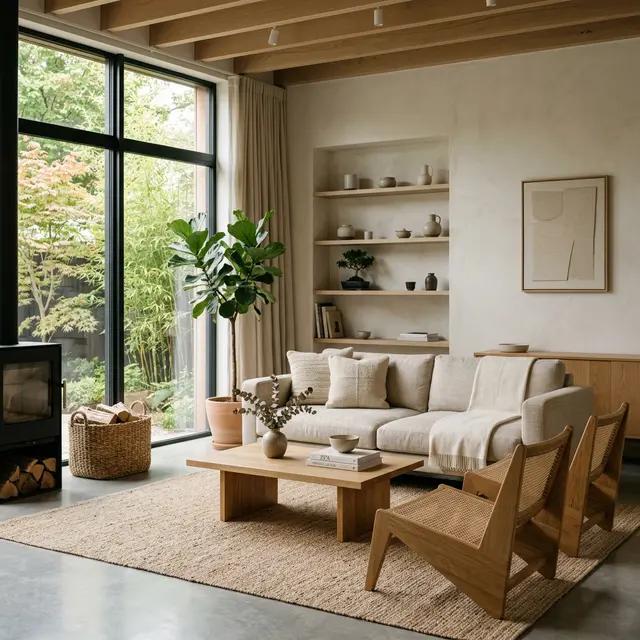
The secret is restraint. A few well-chosen materials can create more impact than using many finishes that compete for attention.
8. Design a Calm and Functional Minimalist Bedroom
Your bedroom should be a place to rest and recharge. A minimalist approach helps by keeping the layout practical, the storage organised and the atmosphere comfortable.
Start with the essentials:
- A comfortable bed with a simple headboard.
- A wardrobe with well-organised internal storage.
- Bedside tables suited to the available space.
- Soft, coordinated bedding and curtains.
- Warm lighting for reading and relaxing.
- A few personal accessories that have meaning to you.
Measure the room before selecting furniture. Wardrobe doors, drawers and bedroom entrances should open comfortably without blocking movement around the bed.
If you’re designing a larger home, our 3BHK interior design guide offers more ideas for coordinating furniture, storage and lighting throughout the home.
9. Make Minimalist Design Work for the Indian Lifestyle
Minimalism works best when it reflects the people living in the home. Indian families may need generous kitchen storage, space for guests, a dedicated pooja area or practical solutions for children’s belongings and household essentials.
These needs can fit naturally into a minimalist interior when they are considered during the planning stage.
- Plan kitchen storage around everyday cooking habits.
- Integrate a pooja area thoughtfully where required.
- Use closed cabinets to organise household essentials.
- Choose finishes that suit your family’s maintenance needs.
- Allow flexible seating or sleeping arrangements for guests.
- Plan storage for seasonal decorations and occasional-use items.
You do not need to give up meaningful traditions or personal belongings to create a minimalist home. The goal is to make everything fit comfortably within a well-organised space.
10. Why Professional Interior Planning Makes a Difference
Creating a minimalist home takes more than choosing neutral colours and simple furniture. Room proportions, circulation, storage, materials and lighting all need to work together.
Professional planning helps address these details before execution begins. It can also help coordinate custom furniture, material choices and practical requirements across different rooms.
Interior Times offers interior design solutions for residential and commercial spaces, with services that include space planning, custom furniture, material selection, lighting and turnkey interior solutions.
If you are planning a new apartment or renovating your existing home, explore our interior design services to find options suited to your requirements.
Conclusion: Create a Timeless Home with Minimalist Interior Design
Minimalist interior design brings together simplicity, functionality and thoughtful styling. A balanced colour palette, useful storage, appropriately sized furniture, natural light and carefully selected textures can help create a home that feels organised without losing its warmth.
For Indian homes, the best minimalist interiors balance clean aesthetics with real family needs. Whether you live in a compact 2BHK apartment or a spacious 3BHK home, good planning can help you make better use of every room.
Minimalism is not about owning fewer things just for the sake of it. It is about creating a home where the things you choose have a purpose and the overall space feels comfortable, personal and timeless.
Planning a Minimalist Home in Navi Mumbai or Mumbai?
Let Interior Times help you create a home that reflects your lifestyle through practical layouts, functional storage, carefully selected materials and timeless interior design.
Residential Interior Design
Create a cohesive home design around your lifestyle and everyday needs.
Explore ServicesSpace Planning
Make better use of your available rooms, furniture layouts and storage.
Explore Space PlanningCustom Furniture
Find practical furniture solutions that complement your interior style.
Explore Furniture ServicesFrequently Asked Questions
1. What is minimalist interior design?
Minimalist interior design focuses on simplicity, clean lines, practical furniture, balanced colours and organised spaces. It prioritises useful elements while maintaining comfort and visual appeal.
2. Is minimalist interior design suitable for Indian homes?
Yes. Minimalist design can work well in Indian homes when it accommodates practical kitchen storage, family activities, cultural requirements, guests and everyday household needs.
3. How can I make a small apartment look more spacious?
Choose furniture that fits the room, keep walking areas clear, use storage efficiently and make good use of natural light. A coordinated colour palette can also help the space feel more open.
4. Which colours work best for minimalist interiors?
White, cream, beige, warm grey and earthy shades are popular choices. Natural wood, muted greens and selected accent colours can add warmth and personality.
5. Is minimalist interior design expensive?
Not necessarily. Costs depend on the materials, furniture, customisation, layout and overall project scope. A well-prioritised design can focus spending on the features that matter most to your home.
6. How do I start planning a minimalist home?
Begin by identifying your family’s needs, measuring each room and listing your storage requirements. Then plan the furniture layout, lighting, colours and materials before execution begins.